September 27, 2026
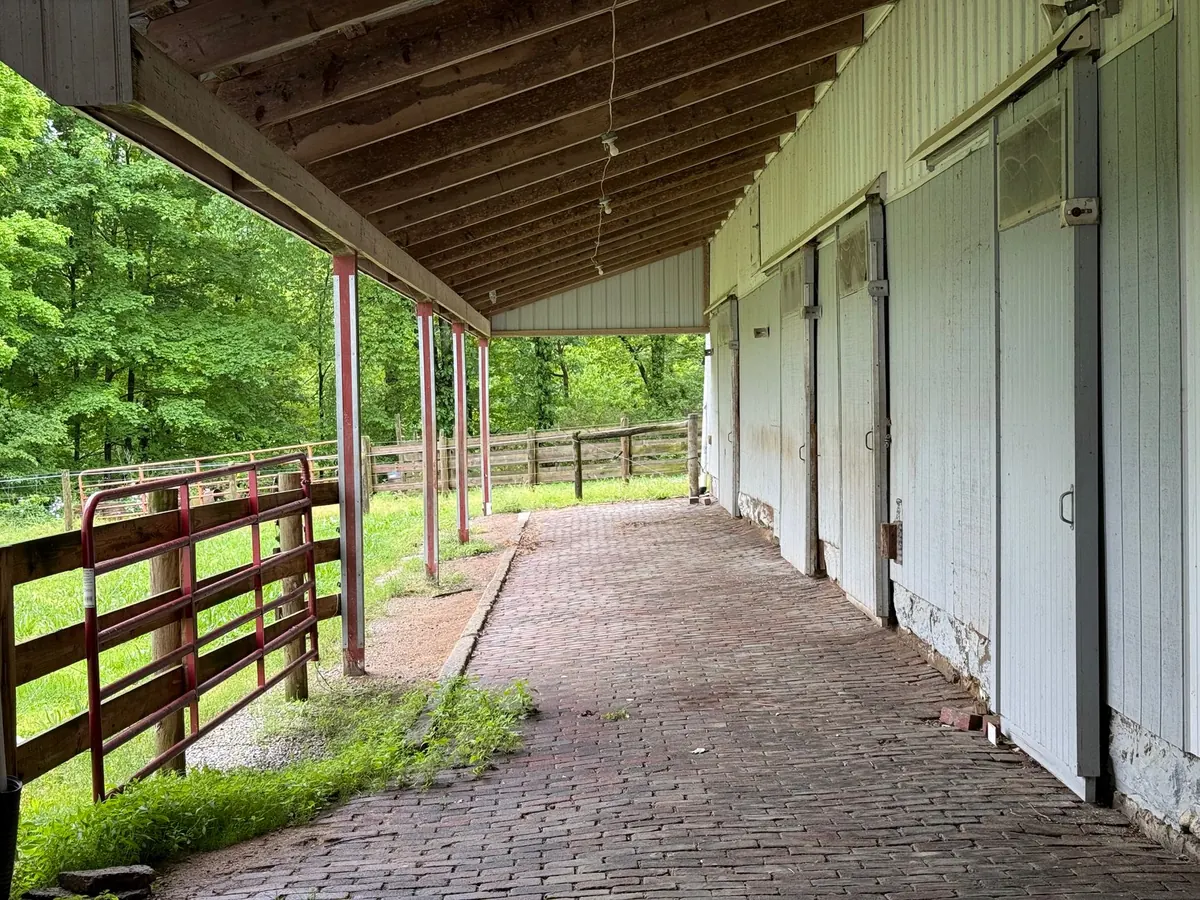
London's mews were built as working yards — stables below, hay above, a cobbled run wide enough for a horse and cart. For most of the past century they quietly absorbed whatever traffic the surrounding streets pushed their way. That arrangement is ending.
Borough after borough has brought in low-traffic neighbourhoods, modal filters, banned turns, weight limits and camera enforcement, all aimed at stopping drivers cutting through quiet residential streets. Mews sit in the middle of that shift. Some fall inside a restricted zone; others sit on the boundary, where the rules for the street behind you are not the rules for yours. Individually the effects are modest. Added together, they change how residents park, how parcels arrive and how a van gets to a doorway.
What the restrictions actually do
The measures come in a handful of recognisable types, and it helps to know which one you are dealing with.
- Modal filters — planters, bollards or cameras that stop motor vehicles passing a point while pedestrians and cyclists continue through.
- Banned turns and one-way working — the access stays, the route changes.
- Weight and width limits — often aimed at larger vehicles, and increasingly applied to narrow mews.
- Timed restrictions — access allowed outside certain hours, or restricted only during the busiest part of the day.
- Permit-only and access-only zones — the street stays open, but the reason for entering matters.
Wording carries weight here. "Access only" normally means you may enter to reach a property on that street, but not to drive straight through to the other side. "No motor vehicles except…" names who is allowed. And a residents' parking permit is not automatically a traffic exemption: parking and access are separate regimes, administered separately, and assuming one covers the other is a common and expensive mistake.
Parking is where residents feel it first
When a filter goes in, the space around it tends to change. Sightlines at junctions get protected with double yellow lines. Bays close to the new camera are removed or converted to waiting restrictions. Permit zones expand, and a mews that sat outside a controlled zone for decades can find itself inside one with a new letter code.
Enforcement becomes more consistent, too. Cameras and camera cars do not have good days and bad days. If you have been parking in a bay that was suspended weeks ago, the change is likely to arrive as a penalty charge notice by post rather than a note under the wiper.
Check the bay markings against the sign at the entrance to the street, not against what you remember. If you use visitor permits, confirm the mews is still covered by your zone. If you have builders in, ask the borough about temporary or trade permits in advance — they usually need notice, and they are usually cheaper than the alternative.
Deliveries and tradespeople feel it hardest
A courier's route planner has no idea that the road it prefers is now filtered. Drivers arrive at a barrier or a camera and face a choice: walk the last stretch, risk the penalty, or mark the drop as failed. Multiply that by every parcel, appliance and pallet and the friction becomes obvious. For tradespeople the calculation is harder still. A plumber carrying a toolbox can park a street away. Somebody carrying a boiler, a sheet of plywood or a stack of tiles cannot.
A few things that help:
- Add clear access notes to your address — which street the entrance is actually off, and what a driver will see on arrival. Address databases are frequently wrong about mews rear entrances.
- Tell regular suppliers and couriers which route still works, and which camera they must not pass.
- Book parking suspensions and skip licences well ahead. Boroughs generally need days, sometimes weeks, and the process is not built for emergencies.
- Order heavy items for a day when someone will be on site to meet the van, rather than having it left at the nearest legal kerb.
- Ask your builder to move materials in fewer, larger drops when access is tight. Two planned deliveries beat six improvised ones.
What to check before you rely on an exemption
Exemptions vary enormously between schemes, and neighbouring boroughs rarely do the same thing. Before you assume you are covered, work through this:
- Is your street inside the restricted zone or on its edge? Boundary streets often have different rules from the ones a hundred metres away.
- Does your parking permit create a traffic exemption, or only a right to park? Usually these are separate.
- Do Blue Badge holders get an automatic exemption, or must the vehicle be registered with the borough first?
- Is there a time window? Some restrictions apply only during peak hours, which changes when you should schedule deliveries and moves.
- Does the restriction apply to loading as well as parking? These are different powers and are often signed differently.
- Was the order made on an experimental basis? Experimental orders can be modified or made permanent after a consultation period, and objections are usually only accepted during it.
- Where is the traffic order itself? The published order and the signed notice on the street are the authoritative documents, not a neighbour's summary of them.
Small habits that cut the friction
Keep a note on your phone with the exact access wording for your mews and the name of the street your entrance sits on. Photograph the signage the day it goes up, with the date, in case a sign is later changed or removed. Tell visitors, cleaners, dog walkers and carers the same thing once, properly, rather than repeating it at the barrier. Keep permit references, suspension booking numbers and any exemption registration in one place, alongside your vehicle details. None of this is glamorous, and all of it saves an argument.
Getting a clear answer for your own street
Start with the borough's traffic orders or street restrictions pages, which list the current orders and any experimental schemes in force. Your ward councillors and any residents' association are useful for finding out what is proposed rather than what already exists. For a specific problem — a delivery route, a suspension, a query about a permit exemption — the council's traffic team is the right first call, and a short email is often enough.
If you receive a penalty charge notice you believe is wrong, the route is usually an informal challenge first, then formal representations to the borough, then an independent adjudicator if the council rejects them. Deadlines are strict and evidence matters, so photograph signage and keep delivery notes or booking confirmations. Where money or a boundary dispute is at stake, take proper advice rather than relying on a forum thread. Most of these changes are manageable once you know exactly which rule applies to your yard — the difficulty is that the answer is rarely the same two streets apart.