September 20, 2026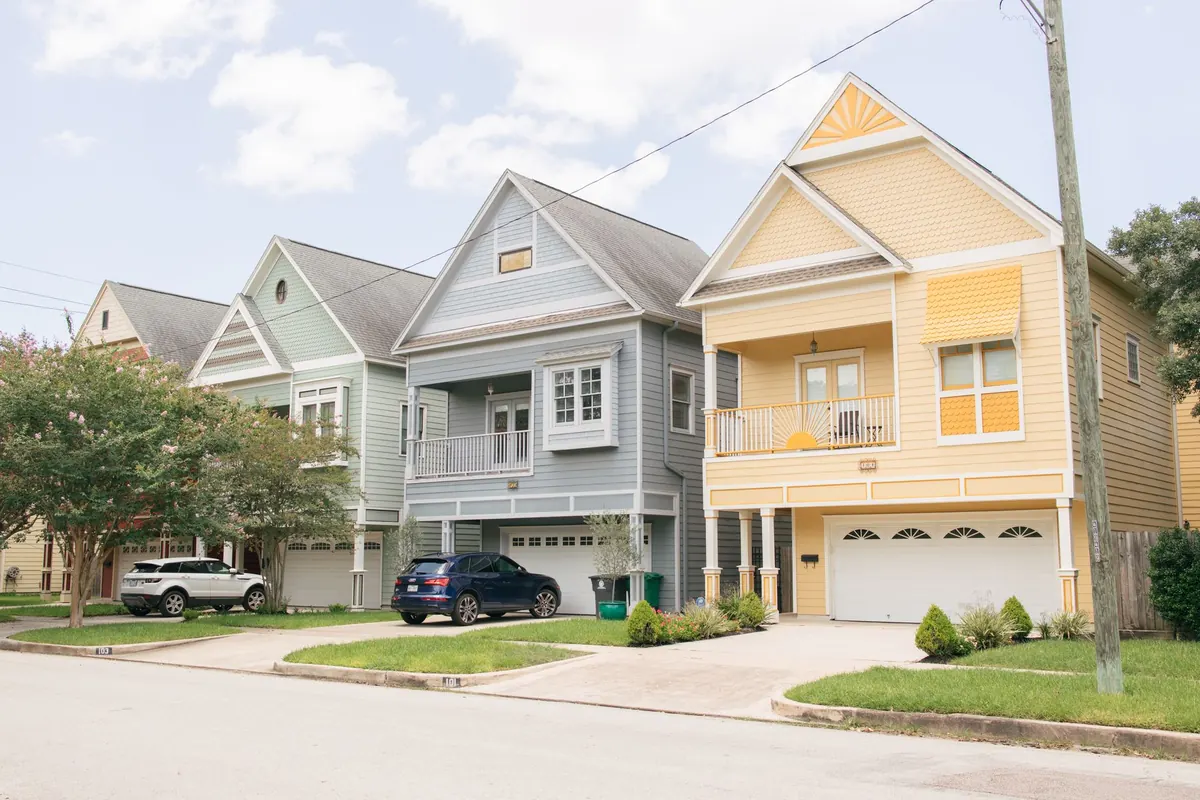
A mews house and a terraced house can sit five minutes apart and still feel like different planets. One gives you a cobbled lane, a converted stable block and a garage door where the front door should be. The other gives you a longer garden, a taller facade and usually more floor space for the same money. If you are weighing up which suits you, the useful comparison is not aesthetic. It is square footage, outdoor space, parking, upkeep, and how easily the place will let or sell when you move on.
Start with the layout difference
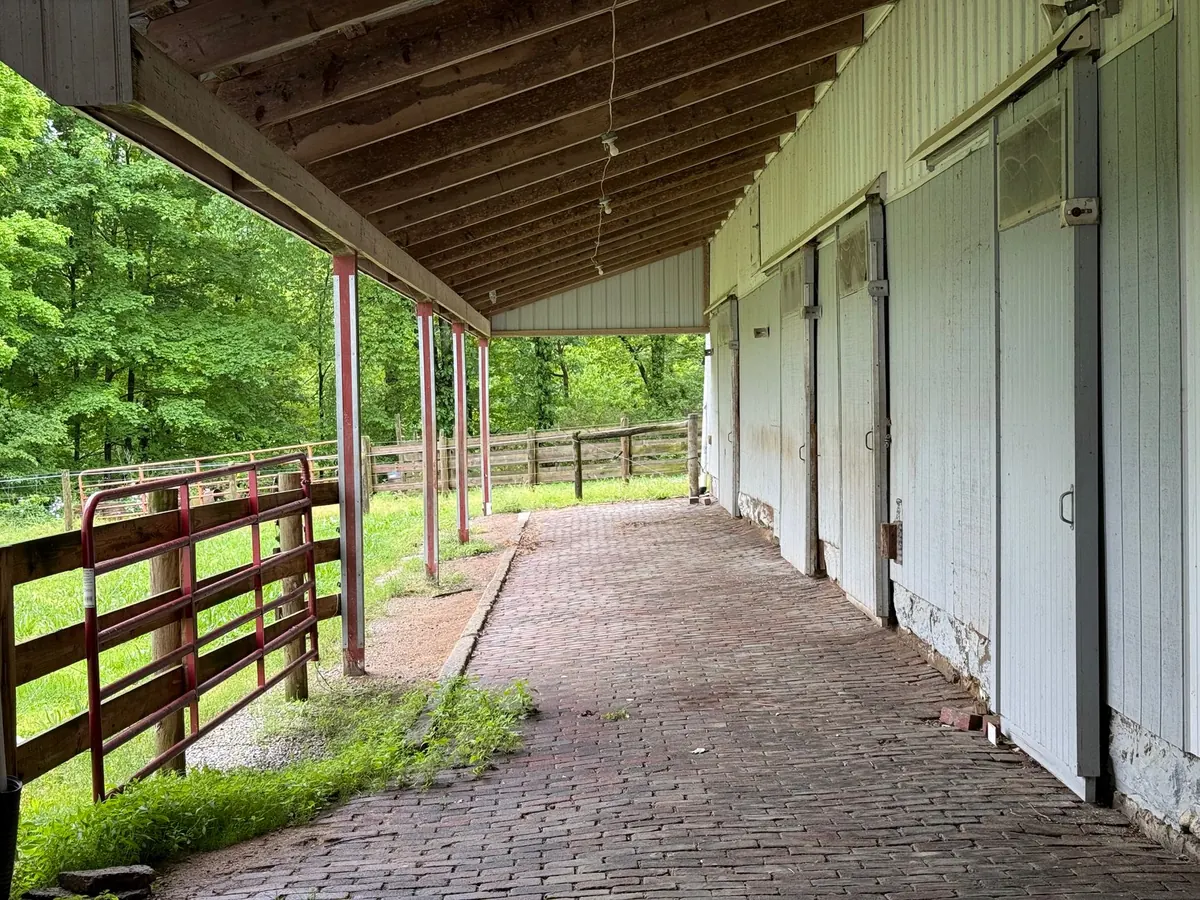
Mews houses were built as stabling and coach housing, usually tucked behind a main terrace. That history shapes everything: narrow frontages, two or three storeys, a small courtyard where the horses once turned, and often a garage or off-street space where a stable stood. Rooms tend to be stacked rather than spread, so you climb more stairs and individual rooms are often smaller on plan.
Terraced houses came from the same era but faced the street. They are usually deeper, with a hallway, a wider footprint and a garden at the back. Layouts vary enormously, from elegant period proportions to cramped later conversions, but you generally get more usable floor area for your budget. That single difference explains most of the trade-offs that follow.
Price per square foot: what you are paying for
On a straight price-per-square-foot basis, mews houses usually cost more than comparable terraces in the same area. You are paying for scarcity, for the quiet lane, and for the fact that many buyers want a lock-up-and-leave property rather than a family house with a lawn to manage.
Terraces often deliver more square feet per pound. The catch is that the extra space may be arranged less conveniently, may need more work, or may come with a garden that demands time you do not have. When comparing two specific properties:
- Divide the asking price by the internal floor area shown on the floor plan, not the rounded figure in the listing.
- Value any parking space separately. In a dense area, a private space is worth real money.
- Note what needs spending in the first three years: roof, windows, boiler, damp, kitchen.
- Compare the total cost of ownership, not the headline price.
Ask for the Energy Performance Certificate and look at likely running costs alongside the rating. For anything involving borrowing, offers or surveys, take advice from a solicitor or mortgage broker rather than relying on a rough calculation.
Outdoor space: courtyard versus garden
Mews outdoor space is usually a courtyard: paved, walled, private, low-maintenance, and often big enough for a table, chairs and a few pots. It suits anyone who travels, works long hours or has no interest in gardening. It does not suit children who want to run, a dog that needs room, or anyone dreaming of borders and a lawn.
Terraced houses typically have a longer rear garden. Even a modest one gives you depth, better light into back rooms, and space for planting, a shed or a small extension, subject to planning permission. The trade-off is work: hedges, mowing, drainage and fence repairs all land on you.
A middle path exists. Some mews houses have a roof terrace or an unusually large yard; some terraces have a courtyard instead of a garden. Judge the actual space in front of you, not the label on the listing.
Parking: where mews houses often win
Many mews houses were built with a garage or a hardstanding, and their lanes are frequently private, which usually means residents maintain them rather than the local authority. Terraced streets are more of a lottery. You may get a driveway, a permit zone, or nothing but a hopeful crawl around the block at seven in the evening.
If parking matters to you, check four things:
- Whether the space is on the title or is only an informal arrangement.
- Who maintains the lane, and what you contribute towards it.
- Whether the garage is wide and tall enough for a modern car, since many old coach doors are not.
- Any covenants or restrictions on commercial vehicles, conversions or parking across the frontage.
Maintenance and running costs
Mews houses are compact, which keeps some costs down: less roof, fewer windows, less space to heat. But they bring their own issues. Shared lanes need upkeep. Walls may adjoin a neighbour on more than one side. Conversions from stables can hide awkward services, shallow foundations or drainage quirks.
Terraces spread costs over more space, but also over more things that can fail: bigger roofs, longer gutters, garden boundaries, and often older plumbing stretched across several floors. For either type, commission a survey from someone who has worked on period stock, and budget a realistic annual sum for repairs instead of assuming the building will behave. For anything structural, take advice from a qualified surveyor or structural engineer before you exchange contracts.
Rental appeal and resale
Mews houses let well to tenants who value privacy, parking and low-maintenance living: professionals, couples, downsizers, and people who keep a car. In central areas they are often marketed as a premium product, and they can be quick to re-let because there is rarely much of this stock around.
Terraces appeal to families and sharers who need bedrooms, a garden and room for bikes or a pram. They tend to attract longer tenancies, though the garden becomes your responsibility as landlord. If you are buying to let, think about who the property is really for and how easy it would be to fill in a slow market. A mews with parking and a courtyard is simple to manage; a four-bedroom terrace may command more rent but needs more of your time.
How to choose between them
Write down the three things you will not compromise on. If parking, privacy and a small footprint top the list, a mews house is likely to fit better. If you need bedrooms, a garden and the strongest price per square foot, a terraced house usually wins.
Then visit at different times of day. Walk the lane in the evening and see how it feels after dark. Check where the sun lands in the courtyard or garden. Lay your own furniture out on the floor plan and see whether the rooms still work. Both are period homes with genuine character, and the right choice depends far less on the category than on how you actually live.
Photo: Diego Ramirez / Pexels